
 jp
jp 
太陽光発電コンテナとは何か、そしてそれがエネルギー導入を変える理由
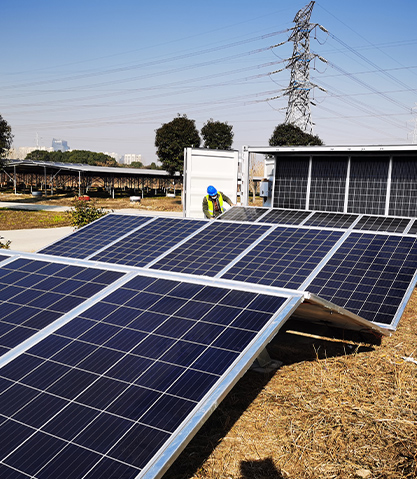
あ 太陽光発電コンテナ は、標準的な輸送用コンテナ フレーム (通常は 20 フィートまたは 40 フィートの ISO 寸法) 内に構築された、完全に統合された自己完結型のエネルギー システムであり、ソーラー パネル、蓄電池、インバータ、充電コントローラ、監視システムを単一の可搬型ユニットに収容します。大規模な土木工事、送電網の相互接続調査、数週間にわたる現地組み立てを必要とする従来の太陽光発電設備とは異なり、太陽光発電コンテナは工場でテスト済みのすぐに使用可能なシステムとして目的地に到着します。プラグアンドプレイの設計理念は、ユニットを配置して太陽電池アレイを配置すると、システムが数週間ではなく数時間以内に使用可能な電力を生成して供給できることを意味します。
このアプローチは、遠隔地、一時的、または急速に変化する導入環境における太陽光発電の導入に対する最も根深い障壁の 1 つである、電力が必要になる時期と従来の設置が実際に稼働できる時期との間のギャップに対処します。緊急対応活動、建設現場、鉱山キャンプ、軍事前線作戦基地、地方の電化プロジェクトはすべて、電力需要が即時的であること、現場が永続的ではない可能性があること、従来の送電網接続の物流が遅すぎるかまったく実用的でないという特徴を共有しています。太陽光発電コンテナは、すべてを工場レベルで事前に統合することでそのギャップを解消し、ユニットが現場に届く前に、制御された条件下で品質管理、システムテスト、性能検証を実施できます。
モバイル太陽光発電コンテナ: 迅速な移動を可能にする設計
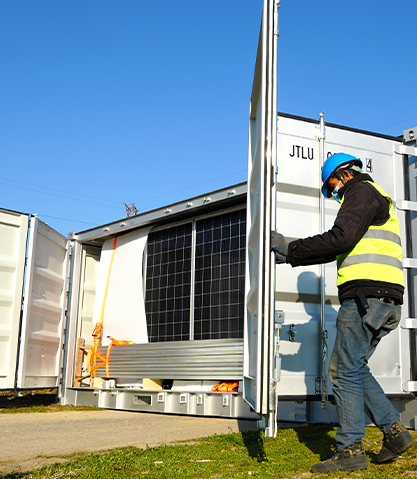
の 移動式太陽光発電コンテナ では、後付けではなく主要な設計要件として、繰り返しの展開と再配置を優先することで、中心となるコンセプトをさらに一歩進めています。標準的な太陽光発電コンテナは持ち運び可能ですが、モバイル型は頻繁に移動できるように特別に設計されており、複数回の輸送サイクルに耐えられる強化構造フレーム、クイック接続の電気インターフェース、特殊な工具や基本的な運用要員以上の熟練労働者なしで折りたたんだり、固定したり、再展開できるように設計された太陽電池アレイ取り付けシステムを備えています。
このレベルの可動性により、モバイル太陽光発電コンテナは真のマルチシーンソリューションになります。同じユニットは、1 か月目は災害救援準備エリアとして機能し、3 か月目には季節限定の農業作業をサポートするために移転し、年末までに遠隔通信中継局に電力を供給するために再び移転します。これらすべてがコア システムに変更を加えることなく行われます。この資産活用モデルは、システムの 20 ~ 25 年の耐用年数全体にわたって設備投資が 1 つのサイトに固定される固定式太陽光発電設備とは根本的に異なります。複数の一時的または半永久的なサイトにまたがるエネルギー インフラストラクチャを管理する組織にとって、最も必要とされる場所に高価値の太陽光発電資産を再配置できる機能は、オフグリッド電力供給の経済性を変革します。
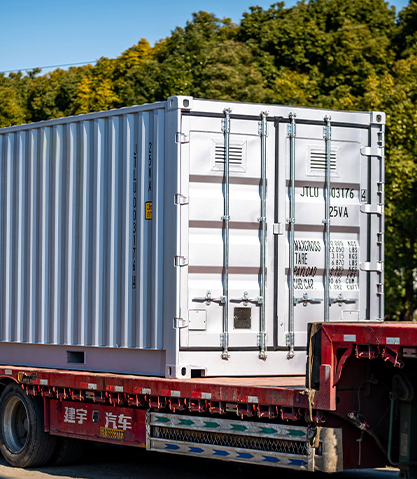
輸送の互換性は、適切に設計された移動式太陽光発電コンテナの重要な実用的な特徴です。 ISO コンテナの寸法に準拠しているということは、ユニットを標準の平台トラックで移動したり、特別な取り扱い装置を使用せずに貨物船に積み込んだり、真の遠隔配備のために重量物運搬ヘリコプターで空輸したりできることを意味します。世界の貨物インフラとのこの相互運用性により、特殊な輸送許可と機器を必要とする専用のトレーラー搭載システムと比較して、アクセス可能な展開場所の範囲が大幅に拡大します。
Solar Fold モバイルグリッド: コンパクトな形状でパネル容量を最大化
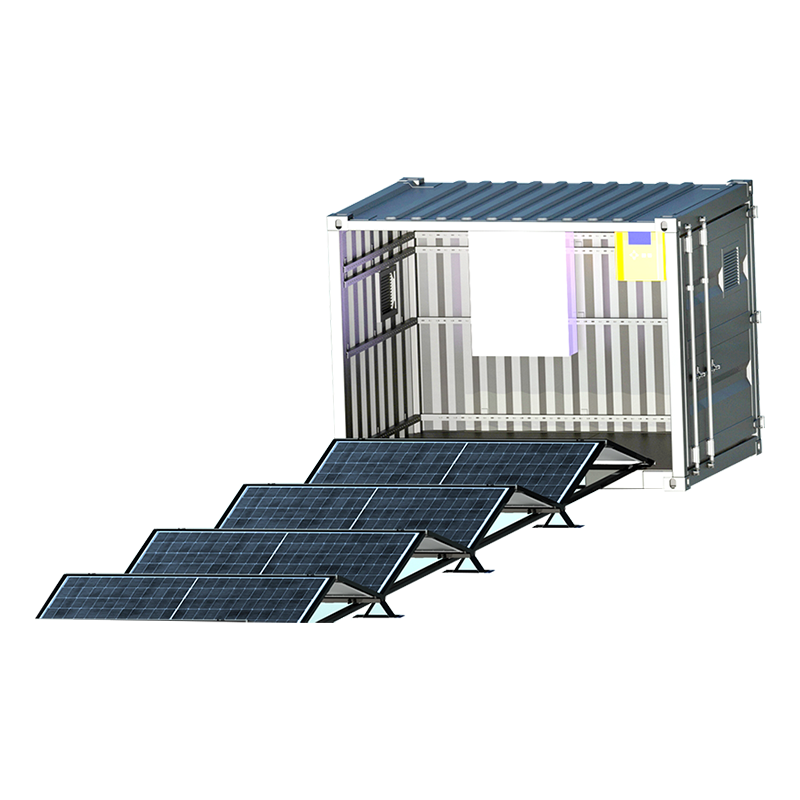
の solar fold mobile grid is a specific panel deployment architecture used in advanced mobile solar power containers to dramatically increase the solar capture area relative to the container's footprint. Rather than limiting panel installation to the container roof — which constrains capacity to the roof area alone — the solar fold mobile grid uses mechanically or hydraulically actuated folding panel arrays that extend outward from the container's sides and ends when deployed, then fold flat against the container body for transport.
あ well-engineered solar fold mobile grid on a 40-foot container can deploy panel arrays covering three to four times the container's ground footprint, enabling installed solar capacities of 30 kWp to 80 kWp or more from a single containerized unit — a range that supports meaningful load coverage for small communities, industrial processes, or telecom infrastructure without requiring separate ground-mount panel installations that add civil works complexity and site preparation time. The folding mechanism is designed for ease of operation by a two-person crew using either integrated electric actuators or manual crank systems, with locking pins that secure the array in both deployed and transport configurations.
の solar fold mobile grid design also allows for optimized panel tilt angle adjustment during deployment, so operators can set the array angle appropriate to the site's latitude for maximum annual energy yield rather than accepting the fixed-angle compromise of roof-mounted panels. This combination of expanded area and adjustable orientation makes the solar fold mobile grid a significantly more capable energy harvesting system than static container roof configurations.
統合システム アーキテクチャと主要な技術コンポーネント
の practical performance of any solar power container depends on how well its internal components are integrated into a coherent, reliable system. Factory integration means that wiring, protection devices, communication buses, and control software are all configured and tested as a complete system — not assembled piece by piece on site where installation errors, grounding faults, and configuration mismatches introduce reliability risks. The following components form the core of a fully integrated solar power container system:
- 太陽光発電モジュール: モジュールあたり定格 400W ~ 600W の単結晶 PERC または TOPCon パネルが現行世代システムの標準となっており、コンパクトなフォームファクタで高い効率を実現します。パネルは、コンテナの内部結合ボックスで終端する MC4 コネクタを備えたストリングに事前配線されています。
- バッテリーエネルギー貯蔵システム (BESS): リン酸鉄リチウム (LiFePO4) バッテリー バンクは、その熱安定性、フル サイクル 4,000 を超えるサイクル寿命、密閉容器環境での安全性プロファイルにより、主要な化学物質です。通常の容量は、コンテナのサイズとアプリケーションの要件に応じて、50 kWh ~ 500 kWh の範囲です。
- ハイブリッドインバーターとチャージコントローラー: あ bidirectional inverter manages power flow between the solar array, battery bank, AC loads, and optional grid or generator connections. MPPT charge controllers optimize energy harvest from the solar array across varying irradiance and temperature conditions throughout the day.
- エネルギー管理システム (EMS): の EMS software layer monitors all system parameters in real time, manages charge and discharge cycles to extend battery life, handles load prioritization during low-state-of-charge conditions, and communicates operational data to remote monitoring platforms via 4G/LTE or satellite.
- のrmal management and ventilation: あctive cooling systems maintain battery and inverter temperatures within optimal operating ranges, which is critical for performance in high-ambient-temperature deployment environments such as desert regions or tropical climates.
増大する電力需要に対応するスケーラブルなモジュール式導入
太陽光発電コンテナ プラットフォームの戦略的に最も価値のある特徴の 1 つは、本質的にスケーラブルなモジュール式アーキテクチャです。単一のコンテナ ユニットは、小さな負荷に対応するスタンドアロンのマイクログリッドとして動作できます。需要が増大したとき、またはプロジェクト段階で大幅に多くの容量が必要になったときは、既存の設備を交換したり変更したりすることなく、追加のコンテナユニットを並列に接続して、総太陽光発電量、蓄電池、およびAC出力を比例的に拡大できます。このモジュール式拡張モデルにより、事業者は適切な規模の初期投資から開始し、負荷の増加に応じて支出が正当化されるにつれて段階的に容量を追加できます。
の scalable nature of this architecture is particularly well suited to sustainable development contexts, where initial community energy needs may be modest but expected to grow as economic activity develops around reliable power access. Rather than sizing a large fixed installation for projected future demand and accepting years of underutilized capacity, project developers can deploy a single mobile solar power container as the first phase and expand with additional units as actual demand data justifies the investment.
| 構成 | 太陽光発電容量 | バッテリーストレージ | 代表的な用途 |
|---|---|---|---|
| シングル20フィートユニット | 15~30kWp | 50~100kWh | 小規模キャンプ、通信中継、緊急対応 |
| シングル 40 フィート ユニット (フォールド グリッド) | 40~80kWp | 150~300kWh | 鉱山現場、地方のマイクログリッド、軍事基地 |
| マルチユニットアレイ (3 ~ 5 コンテナ) | 150~400kWp | 500kWh~1.5MWh | アイランドグリッド、産業プロセス、イベント電力 |
マルチシーンアプリケーション向けにカスタマイズ可能な構成
標準的な太陽光発電コンテナ形式は幅広い用途に効果的に対応しますが、最も有能なサプライヤーは真にカスタマイズ可能なシステム構成を提供しており、購入者は発電容量、ストレージサイズ、出力電圧と周波数、通信インターフェース、特定の導入状況に必要な構造的特徴の正確な組み合わせを指定できます。このカスタマイズ可能なアプローチは、太陽光発電コンテナを汎用製品から、要求の厳しい運用環境向けに目的に合わせて設計されたソリューションに変えるものです。
一般的なカスタマイズ パラメーターには、出力電圧構成 (単相 230V、三相 400V、または特定の産業負荷用のカスタム電圧)、ディーゼルと太陽光のハイブリッド運転用の発電機統合インターフェイス、系統接続バックアップ モード用の陸上電力入力、過酷な気象環境用の IP 定格外部接続パネル、コンテナ エンクロージャ内のウォーター ポンプ、照明パネル、通信ラックなどの追加機器に対応するための内部レイアウトの変更が含まれます。多様な地理的および気候的条件にわたる展開を管理するマルチシーンのオペレーターにとって、同じユニット設計内で北極と熱帯の両方の温度範囲に適切な熱管理を指定することで、サイト固有の変更を必要とせずに、潜在的な展開場所の全範囲にわたって資産が確実に機能することが保証されます。
の sustainable energy credentials of the solar power container platform are strengthened considerably when the customizable design enables true diesel displacement rather than merely supplementing existing generator sets. Systems engineered with sufficient battery storage depth to cover overnight loads and early-morning peak demand periods — combined with a solar fold mobile grid sized to fully recharge the battery bank from typical daily irradiance — can achieve diesel fuel savings exceeding 80% compared to generator-only operation, delivering both significant operating cost reductions and measurable carbon emission reductions that support corporate sustainability reporting and project environmental compliance requirements.